
Last updated:
Best Areas To Stay in Dominican Republic
Choosing where to stay in the Dominican Republic depends on your travel style and goals. The island offers diverse regions, each with unique character and advantages. Some visitors prefer bustling beach towns while others seek quiet escapes. Your budget, travel companions, and desired activities shape your perfect location.
Punta Cana sits on the eastern coast and attracts millions of tourists annually. All-inclusive resorts dominate this area, offering meals, drinks, and activities in one package. The beaches here feature white sand and calm waters perfect for swimming. Punta Cana International Airport is minutes away, making arrival convenient.
Puerto Plata anchors the northern coast along the Atlantic Ocean. This historic town blends colonial architecture with modern tourist infrastructure. The nearby beaches of Playa Dorada and Cofresi Beach draw surfers and swimmers. Puerto Plata offers more authentic Dominican culture than southern resort areas.
Las Terrenas sits in the northeast peninsula and attracts younger, adventurous travelers. This beach town features a laid-back vibe with boutique hotels and waterfront food-restaurants. Jungle trails, waterfalls, and offshore islands provide exploration opportunities. The area stays less crowded than Punta Cana but still has solid tourism infrastructure.
Santo Domingo, the capital city, appeals to history buffs and culture seekers. The Colonial Zone preserves 16th-century Spanish architecture and museums. Modern restaurants and galleries occupy restored historic buildings. Beach access is limited here, making it better for city exploration than seaside relaxation.
Eastern Region Highlights
The eastern region includes Punta Cana, Bavaro, and La Romana. Travelers find consistent sun, warm waters, and extensive all-inclusive options here. Bavaro Beach stretches for miles with powder-soft sand. The nearby Saona Island offers day-trip adventures with snorkeling and swimming in natural pools.
La Romana serves as a quieter alternative to Punta Cana, located about 45 minutes west. Casa de Campo Resort dominates this area with a private community feel. Altos de Chavon, an artificial town built in colonial style, sits nearby and offers shopping and dining. Isla Saona remains accessible from La Romana with shorter boat rides than from Punta Cana.
Northern Region Highlights
The northern coast offers different vibes than the east. Stronger ocean currents and Atlantic waves appeal to surfers. Cabarete lies east of Puerto Plata and excels for windsurfing and kiteboarding. The laid-back beach town houses many international sports enthusiasts and young travelers.
Sosua, between Puerto Plata and Cabarete, feels more developed with numerous restaurants and bars. The beach sits in a protected cove with calmer waters than surrounding areas. Sosua suits couples and travelers seeking nightlife alongside beach time.
PRO TIP: Book accommodations for December through April to enjoy the best weather and avoid September through November hurricane season.
Best Beach Areas in Dominican Republic
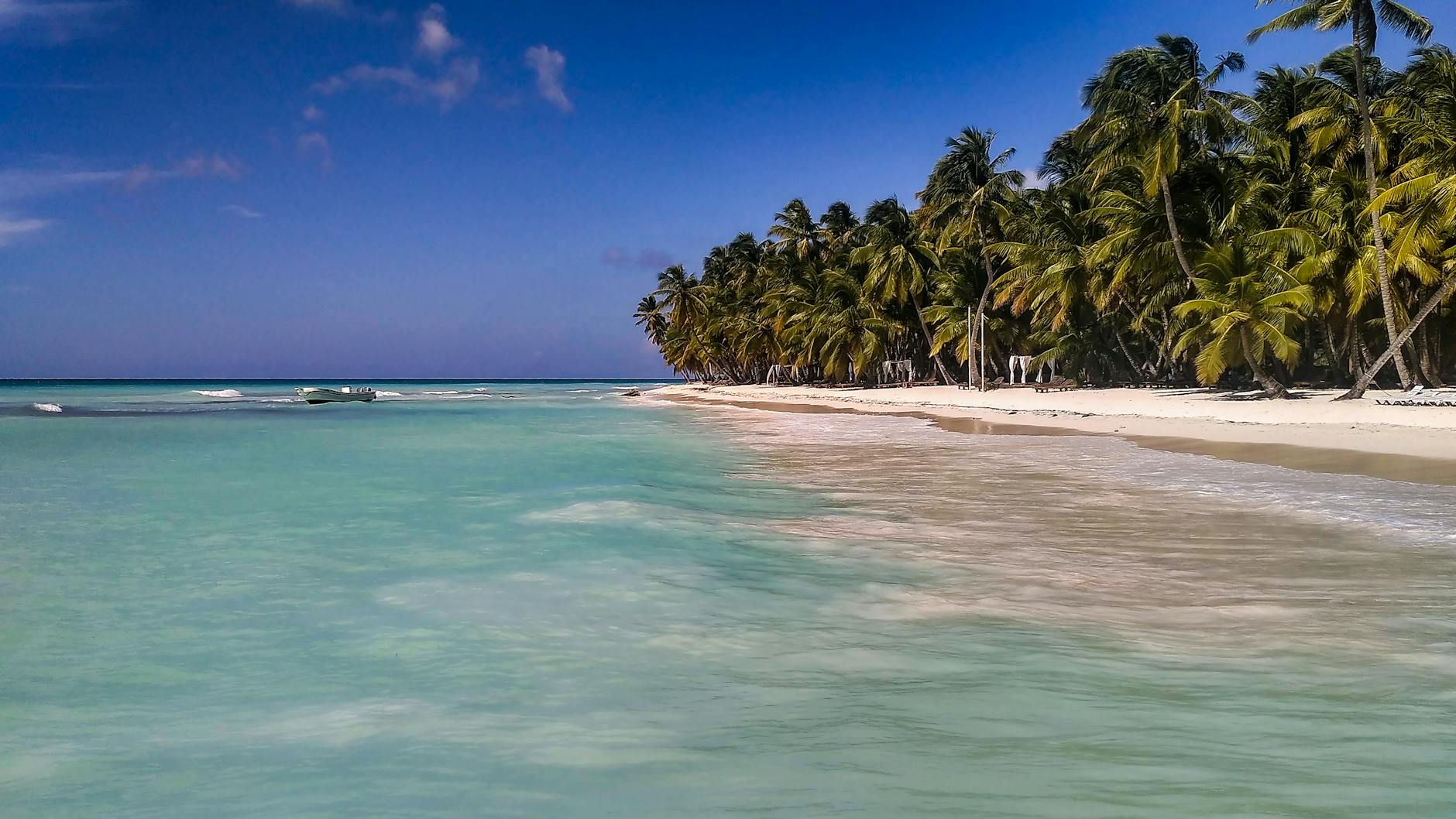
The Dominican Republic boasts some of the Caribbean's finest beaches. Punta Cana and Bavaro beaches offer the softest sand on the island. These stretches stay well maintained and feature clear turquoise water. The shallow waters make them ideal for families with young children.
Playa Grande sits on the northern coast near Rio San Juan. This beach feels more undeveloped than Punta Cana, attracting visitors seeking natural beauty. Strong waves make it popular with surfers but challenging for casual swimmers. The beach remains quieter and more authentic than southern alternatives.
Cabarete Beach serves windsurfers and kitesurfers year-round. The consistent winds and wave patterns create perfect conditions for board sports. The beach town behind the shore buzzes with action sports culture. Non-athletes enjoy the vibrant beach bar scene and sunset views.
Sosua Beach sits protected in a small cove. The calm waters suit swimmers and snorkelers. Coral reefs nearby make this an excellent diving destination. The developed town provides abundant restaurants and accommodations within walking distance.
Isla Saona offers the most dramatic beach experience in the Dominican Republic. This island sits off the La Romana coast and requires a boat trip to reach. The island features untouched beaches, crystal clear water, and natural swimming holes. Most visitors take guided tours departing from Punta Cana or La Romana.
Water Activities by Beach
Scuba diving opportunities exist throughout the Dominican Republic. The Coral Reef Wall near Sosua drops from 20 feet to over 130 feet deep. Wreck diving sites include sunken planes and ships. The best diving months are May through November when visibility peaks. Most dive shops operate out of Sosua, Puerto Plata, and Punta Cana.
Snorkeling requires no certification and suits all ages and abilities. Many all-inclusive resorts offer complimentary snorkeling equipment. The reefs near Bavaro and Sosua support healthy coral and fish populations. Guided snorkeling tours depart daily from major beach towns.
Surfing breaks concentrate on the northern coast. Encuentro Beach near Cabarete produces consistent waves for intermediate surfers. The area around Rio San Juan offers powerful waves for advanced surfers. Local surf schools teach beginners in protected spots. The best swell arrives during winter months from November through March.
PRO TIP: Pack reef-safe sunscreen to protect coral ecosystems while swimming and snorkeling in Dominican waters.
Town Center Vs Beach: Which Is Better for Dominican Republic Where To Stay
Choosing between town centers and beaches requires honest self assessment. Beach locations suit sunbathers, swimmers, and relaxation-focused travelers. Town centers appeal to those prioritizing culture, dining, and exploration. Most visitors find middle ground staying in beach towns that have developed downtown areas.
Beach accommodations offer direct sand access and ocean views. All-inclusive resorts cluster in beach areas, providing comprehensive vacation experiences. The downside includes higher prices and less authentic Dominican culture exposure. Beaches can feel crowded during peak season from December through April.
Town centers provide genuine local experiences and authentic cuisine. Santo Domingo's Colonial Zone preserves centuries of history within walking distance. Puerto Plata offers colonial charm mixed with modern amenities. Town accommodations typically cost less than beachfront properties. You'll interact more with local residents and experience real Dominican life.
When To Choose Beach Areas
Beach destinations make sense for families with young children. Supervised pools and calm shallow waters keep kids safe. Many all-inclusive resorts offer kids clubs and activities. You can relax while children play in controlled environments.
Couples seeking romantic escapes benefit from beach settings. Sunset dinners, ocean walks, and water activities create memorable moments. All-inclusive resorts eliminate planning and budgeting concerns. You focus on enjoying time together without logistical worries.
First-time visitors to the Dominican Republic often choose beaches. You experience tropical beauty, warm water, and resort convenience. Minimal Spanish language skills needed in developed beach areas. Everything you need stays within short distances.
When To Choose Town Centers
Culture enthusiasts should base themselves in Santo Domingo or Puerto Plata. The Colonial Zone in Santo Domingo contains museums, galleries, and historic sites. Walking tours reveal 500 years of Caribbean history. Local restaurants serve authentic Dominican cuisine you won't find in resort buffets.
Budget travelers save significantly staying in town centers. Guesthouse rooms cost half the price of beach resorts. Street food vendors offer meals for just a few dollars. Public transportation connects towns affordably without rental cars.
Adventurous travelers benefit from town bases near attractions. Las Terrenas provides access to jungle hikes, waterfalls, and island tours. From here you reach Samana Bay, a marine sanctuary for whale watching. The town stays smaller and more intimate than major resort areas.
Where To Stay in Dominican Republic on a Budget
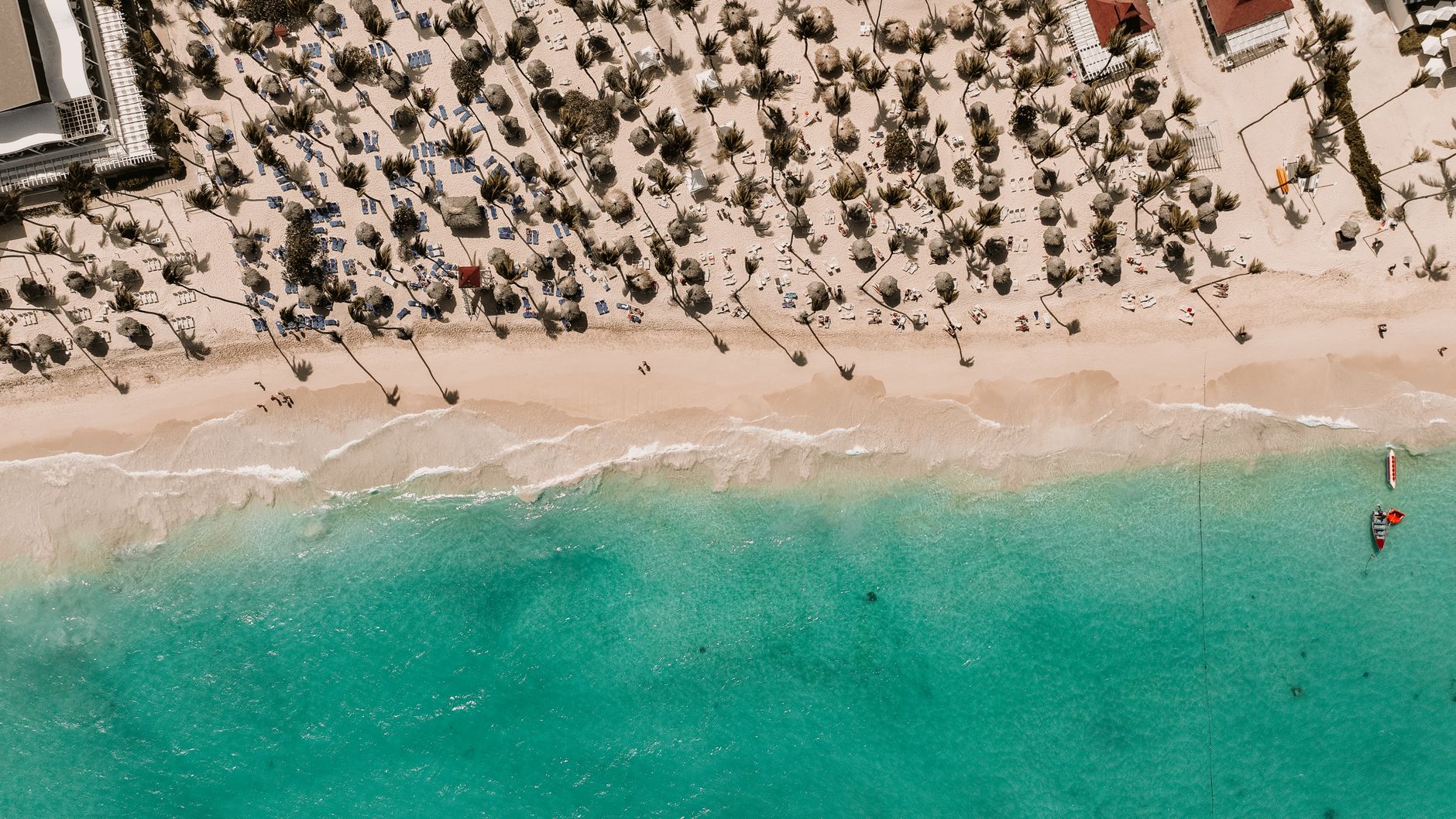
The Dominican Republic offers excellent budget accommodation options throughout the island. Guesthouses and hostels provide clean rooms at low daily rates. Many travelers find quality lodging for under $50 per night outside resort areas. Small towns offer better value than major beach destinations.
Las Terrenas attracts budget travelers seeking beach access without resort prices. Guesthouses line the main street offering simple rooms with basic amenities. Local restaurants serve Dominican food at fraction of resort dining costs. The town maintains authentic character despite growing tourism infrastructure.
Cabarete suits budget travelers interested in water sports and nightlife. Hostel accommodations range from dorm beds to private rooms. The beach town buzzes with young travelers from around the world. Free beach access and affordable street food keep daily expenses low.
Puerto Plata offers historic charm and budget-friendly options. The colonial downtown features affordable guesthouses and small hotels. Playa Dorada Beach is nearby for day visits without resort fees. Local markets provide cheap fresh fruits, vegetables, and prepared foods.
Budget Accommodation Types
Hostels provide the cheapest beds in tourist areas. Dorm rooms cost $15 to $30 per night in popular towns. Private rooms in hostels run $30 to $50 nightly. Most hostels offer common areas for socializing with other travelers. Kitchen access helps budget travelers prepare their own meals.
Guesthouses (called pensiones locally) offer family-run accommodations with personality. These small establishments lack chain hotel amenities but provide authentic experiences. Rooms typically cost $25 to $50 per night. Owners often recommend local restaurants and hidden attractions.
Airbnb and vacation rental platforms list affordable apartments and rooms throughout the Dominican Republic. You save money cooking some meals in equipped kitchens. Weekly discounts reduce nightly rates significantly. Read reviews carefully as quality varies widely.
Budget Travel Tips
Stay in neighborhoods away from tourist centers to access lower prices. The Gazcue neighborhood in Santo Domingo offers budget hotels and local vibe. You'll pay half the price of beachfront properties. Public transportation connects you to attractions easily.
Travel during shoulder season from May through November and save substantially. Hurricane season storms are rare despite the designation. Most businesses stay open and prices drop 20 to 40 percent. The weather remains warm and pleasant outside peak heat in September.
Eat where locals eat rather than tourist restaurants. Street vendors sell empanadas, pastelitos, and fresh juice for just dollars. Comedores (small local restaurants) serve filling Dominican meals cheaply. Ask hotel staff for neighborhood recommendations away from tourist areas.
Use public transportation instead of taxis and rental cars. Gua guas (local minibuses) cost under a dollar for rides. The network connects major towns throughout the island. You'll experience authentic Dominican life on public transport.
PRO TIP: Download offline maps before arriving since free WiFi remains inconsistent outside major tourist areas and hotels.
Luxury Areas in Dominican Republic
The Dominican Republic attracts luxury travelers with world-class resorts and private experiences. Punta Cana dominates the luxury market with exclusive properties and championship golf courses. The region offers five-star all-inclusive resorts and private villa rentals. Wealthy travelers enjoy personalized service and gourmet dining experiences.
Punta Cana's luxury resorts feature multiple restaurants, bars, and entertainment options. Properties like these include private beach access and water sports equipment. Spas offer treatments using local ingredients and Caribbean techniques. Many resorts employ hundreds of staff ensuring attentive service for guests.
La Romana provides a quieter luxury experience than Punta Cana. Casa de Campo Resort spans 7,000 acres with golf courses, beaches, and restaurants. The property includes restaurants designed by celebrity chefs. Private accommodations range from hotel rooms to multi-bedroom villas with personal staff.
Cap Cana sits just east of Punta Cana as an ultra-luxury development. High-end properties occupy this gated community with private marina and yacht clubs. The development features championship golf courses and exclusive restaurants. Real estate here represents some of the Caribbean's priciest property.
Luxury Resort Experiences
All-inclusive luxury resorts eliminate planning and budgeting concerns completely. Your room rate includes all meals, drinks, and most activities. Premium resorts offer à la carte restaurants alongside buffet dining. Alcoholic beverages include top shelf spirits and quality wines.
Water sports come complimentary at luxury resorts. Snorkeling gear, paddleboards, and kayaks are available daily. Some properties include scuba diving certification courses. Tennis courts, volleyball, and beach games keep active guests entertained.
Spa and wellness facilities constitute major amenities at luxury properties. Treatments incorporate local ingredients like coconut, cacao, and tropical flowers. Many resorts employ massage therapists trained in various international techniques. Yoga and fitness classes appeal to health-conscious guests.
Private Villa Rentals
Ultra-wealthy travelers rent private villas with dedicated staff and amenities. Cap Cana and Punta Cana feature exclusive villa communities with security. Properties include swimming pools, full kitchens, and home theater systems. Personal chefs, housekeepers, and concierges serve guests' needs.
Villa rentals offer privacy impossible in large resorts. You control meals, schedules, and guest lists. Some villas access exclusive beach clubs and facilities. Nightly rates exceed $500 for premium properties but include comprehensive staffing.
Private island excursions appeal to luxury travelers seeking unique experiences. Chartered boat trips visit remote beaches and snorkeling sites. Personal guides customize itineraries based on your interests. Lunch includes gourmet meals prepared on the island.
PRO TIP: Luxury resorts book 6 months in advance during December through February, so reserve accommodations early for the best availability.
Where To Stay in Dominican Republic With Kids
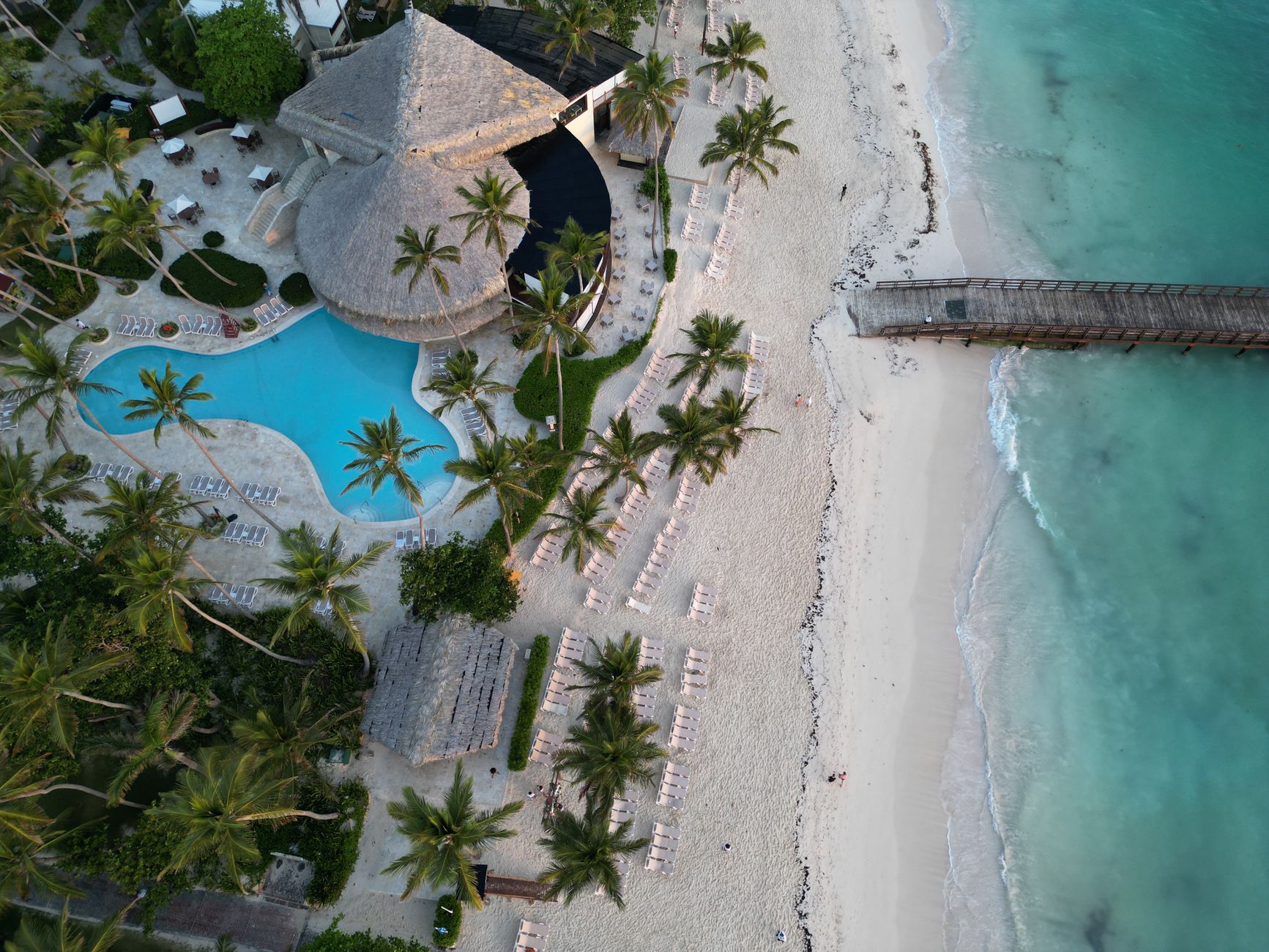
Family-friendly accommodations throughout the Dominican Republic cater to parents with children. All-inclusive resorts suit families best, offering activities, childcare, and predictable costs. Kids clubs keep children entertained while parents relax. Meals accommodate various dietary preferences and allergies.
Punta Cana all-inclusive resorts feature dedicated kids clubs with supervised activities. Children enjoy water sports, games, and crafts while parents enjoy spa treatments. Evening entertainment includes family shows and age-appropriate performances. Many properties offer kids eat free during certain seasons.
Beaches with calm shallow water suit young swimmers. Bavaro Beach features gradual depth changes ideal for toddlers. Parents supervise easily in these protected areas. The soft sand provides comfortable settings for young children to play.
Family-Friendly Resorts
Full all-inclusive properties eliminate constant decision-making about meals and activities. Children can eat familiar foods at restaurants or choose local dishes. Parents appreciate simplified budgeting with one upfront payment. Most resorts provide high chairs, cribs, and baby supplies upon request.
Kids clubs typically operate from 9 AM to 5 PM daily. Children enjoy supervised swimming, crafts, games, and entertainment. Trained staff ensure safety while allowing parent free time. Age-appropriate activities separate younger and older children.
Family suites provide more space than standard hotel rooms. Separate bedrooms or connected rooms work well for traveling families. Some properties offer suites with kitchenettes enabling light meal preparation. Extra space reduces cabin fever during rainy weather.
Activities for Children
Water parks and beach clubs entertain kids extensively. Punta Cana features water slides, lazy rivers, and shallow pools. Children gain water confidence in these supervised environments. Parents rotate supervision shifts, ensuring someone watches children constantly.
Animal encounters appeal to curious children. Some resorts offer turtle releases where kids help baby turtles reach the ocean. Manatee viewing tours depart from certain locations. Dolphin interactions occur in protected marine sanctuaries. These experiences create lasting memories for young travelers.
Island tours adapted for families work well for older children. Boat trips to Saona Island include snorkeling in shallow areas. Natural swimming holes allow splashing without ocean waves. Lunch on the island becomes a special adventure for kids.
Practical Family Travel Tips
Book resorts with medical facilities on property or nearby. Children sometimes require unexpected medical attention during vacations. Large resorts staff doctors and nurses available 24 hours. Smaller towns may require travel to larger medical centers.
Pack medications and familiar snacks for your children. Pharmacies stock common children's medications but prices run high. Snacks prevent hunger during outings and reduce reliance on restaurant food. Bring sunscreen in appropriate SPF for children's sensitive skin.
Choose accommodations with reliable electricity and internet. Children's entertainment devices need charging. Communication with home matters to some families. All-inclusive resorts guarantee these utilities unlike small guesthouses.
Frequently Asked Questions
What Is the Best Time of Year To Visit and Stay in Dominican Republic?
The best months to visit Dominican Republic are December through April. This period offers consistently warm weather with less rainfall than other times. Daytime temperatures average 27°C (81°F) and remain comfortable. The dry season runs through April, with May beginning the transition to rainy season. Many travelers avoid September through November due to hurricane season, though direct hits remain uncommon. Prices peak from December through February when weather is perfect and tourists flock to the island.
Do I Need a Visa To Stay in Dominican Republic?
Most tourists arrive visa-free for short stays in Dominican Republic. Citizens of many countries enjoy visa exemption for up to 90 days. Upon arrival, visitors must complete an electronic form for entry tracking. Certain nationalities may require visas, so check current regulations before booking travel. The Dominican tourism board maintains updated requirements on their official website. Processing this entry form takes minutes at the airport, requiring no advance paperwork.
What Is the Cheapest Area To Stay in Dominican Republic?
Las Terrenas and Cabarete offer the cheapest accommodation rates outside all-inclusive resorts. Guesthouses and hostels provide rooms for $25 to $50 nightly. Puerto Plata provides budget options in a historic town setting. Traveling during May through November reduces prices significantly versus peak season. Small towns in the interior offer budget accommodations but lack beach access. Airbnb and vacation rental websites frequently offer discounts for weekly or monthly stays.
Which Dominican Republic Beach Area Is Best for Families?
Punta Cana suits families perfectly with all-inclusive resorts offering kids clubs and supervised activities. Bavaro Beach features calm shallow water safe for young children. The resort infrastructure provides restaurants accommodating various dietary needs. Supervised entertainment keeps children engaged while parents relax. La Romana and Casa de Campo also welcome families with quieter environments and fewer crowds than Punta Cana. Puerto Plata's northern beaches offer good family options at lower prices than eastern resorts.
How Far Is the Airport From Popular Beach Towns?
Punta Cana International Airport sits just 20 minutes from Punta Cana and Bavaro beach areas. La Romana is approximately 45 minutes south of the airport. The drive to Puerto Plata takes about 2.5 hours northbound. Las Terrenas requires 3 to 3.5 hours driving northeast from the airport. Cabarete sits about 2.5 hours north of the airport. Most resorts arrange airport transfers for guests, eliminating rental car needs and making the transfer process simple.