
Last updated:
Dominican Republic Scuba Diving Overview
Dominican Republic scuba diving offers some of the Caribbean's most exciting underwater experiences. The island sits in the Greater Antilles with warm waters and abundant marine life year-round. Divers explore colorful coral reefs, dramatic drop-offs, and historic shipwrecks throughout the island.
The Dominican Republic attracts divers of all skill levels. Beginners find shallow reef systems perfect for learning. Experienced divers explore deep wrecks and challenging drift dives. The water temperature averages 27°C, making diving comfortable without heavy suits.
Most dive operations cluster around major resort areas. Punta Cana dominates the east coast. Puerto Plata serves the north coast. Sosúa offers convenient access to nearby reefs. Each location provides unique dive experiences and professional instruction.
Best Dive Sites in Dominican Republic

Hispaniola Gardens ranks among the Caribbean's finest coral ecosystems. This site features gardens of brain coral and elkhorn formations. Divers descend to about 25 meters and navigate through colorful passages. Large fish species patrol the area regularly. The site sits off the coast of Sosúa.
La Caleta Underwater Park near Santo Domingo protects multiple wrecks and reef systems. The park includes three intentionally sunk ships that now host diverse marine communities. Divers explore the wrecks and surrounding reefs on the same trip. This location requires intermediate skills due to depth and currents.
Catalina Island off the south coast offers dramatic underwater topography. A wall drops from 12 meters to beyond 40 meters. Divers spot eagle rays, groupers, and reef sharks regularly. The clear visibility often exceeds 30 meters. This site demands good buoyancy control and comfort at depth.
Silver Bank operates seasonally from January through March. This remote seamount sits 80 kilometers north of the Dominican mainland. Divers access it only via specialized liveaboard boats. The site attracts humpback whales and offers spectacular deep diving. Only experienced divers should attempt this challenging site.
PRO TIP: Book dive sites with established operators who know current conditions. Dominican currents can be strong, especially at deeper sites. Always check weather forecasts before booking offshore dives.
Scuba Diving for Beginners in Dominican Republic
Beginners find ideal conditions throughout Dominican Republic scuba diving locations. Sosúa offers excellent shallow reef systems in calm waters. The beach entry requires no boat travel. Visibility runs 15 to 20 meters in good conditions. Colorful fish schools approach divers at these protected sites.
Cabeza de Toro near Punta Cana provides a perfect entry-level dive. The reef starts in just 5 meters of water. Divers can practice skills without pressure. Abundant marine life keeps beginners entertained throughout the dive. The site rarely experiences strong currents.
Bayahibe Marine Park features multiple beginner-friendly sites. Shallow coral formations start at 8 meters. The park restricts boat traffic, keeping the environment calm and safe. Park rangers monitor diver safety throughout the area.
Most dive schools teach open water certification in 3 to 4 days. Instruction includes classroom study, confined water practice, and open water dives. Certified instructors guide beginners through every step. Many resorts offer beginner packages that include accommodation and training.
Beginners should pack their own mask and fins if possible. Rental equipment works fine, but personal gear fits better. Bring a wetsuit of appropriate thickness. Even in warm Dominican waters, a thin 3mm suit offers protection and warmth during extended underwater time.
PRO TIP: Complete certification before traveling if possible. Shore-based training takes 3 to 4 days. Arriving with a valid certification card lets you start diving immediately upon arrival.
Snorkeling in Dominican Republic

Snorkeling rivals scuba diving in popularity throughout the Dominican Republic. The same reefs that attract divers offer excellent snorkeling. Shallow coral gardens sit within snorkeling depth. Fish populations are just as abundant and colorful.
Playa Dorada near Puerto Plata features accessible reef snorkeling from the beach. Entry is easy with gradual depth increase. Parrotfish, sergeant majors, and filefish are common. The protected beach area rarely experiences rough conditions.
Bayahibe Beach offers outstanding snorkeling steps from shore. The coral formations begin in 3 meters of water. Visibility typically exceeds 20 meters. Tropical fish congregate in the shallow protected areas. Boats operate from this beach if you want additional snorkeling spots.
Catalinita Island near Punta Cana provides boat-based snorkeling with coral and fish. The shallow waters suit families perfectly. Equipment rental is available at nearby beach resorts. Swimming distance to the coral is minimal.
Snorkelers require only a mask, snorkel, and fins. Water shoes protect feet from sharp coral. Bring reef-safe sunscreen to protect marine life. Sunglasses retention straps prevent loss in the ocean.
Many all-inclusive resorts offer complimentary snorkeling from their beaches. Additional snorkeling excursions depart daily from major beach towns. Tour operators provide equipment, instruction, and transportation. Half-day trips cost considerably less than scuba diving experiences.
Dive Schools and Operators
Sosúa Dive Centers operate multiple locations along the north coast. They offer certification courses from beginner to advanced levels. Their boats access nearby reef and wreck sites regularly. Staff speak English, Spanish, and German fluently.
Caribbean Reef Divers based in Punta Cana specializes in small group dives. Maximum group size keeps experiences personal and safe. They offer technical diving courses for advanced divers. Their operation emphasizes environmental conservation.
Bayahibe Dive Center operates from the Bayahibe Marine Park. They offer beach diving, boat dives, and certification courses. The center maintains excellent safety records and equipment. Their proximity to multiple dive sites reduces travel time.
Northern Coast Diving operates from Puerto Plata serving north coast locations. They run daily group dives to established sites. Equipment rental and certification instruction are available. They offer specialized training in wreck and deep diving.
When selecting a dive operator, verify their certifications and safety records. Ask about instructor qualifications and diver student ratios. Check that they perform regular equipment maintenance. Read recent reviews from other divers. Reputable operators hold PADI, NAUI, or similar international certifications.
Book dives directly with operators or through your resort. Direct booking often costs less than resort arrangements. Operators typically provide transportation from major hotels. Bring cash or credit cards accepted by your chosen operator.
PRO TIP: Book your first dive immediately after arriving. This lets your body adjust to the new environment before subsequent dives. Most operators offer dive trips every day, so scheduling flexibility is excellent.
What You Will See Underwater
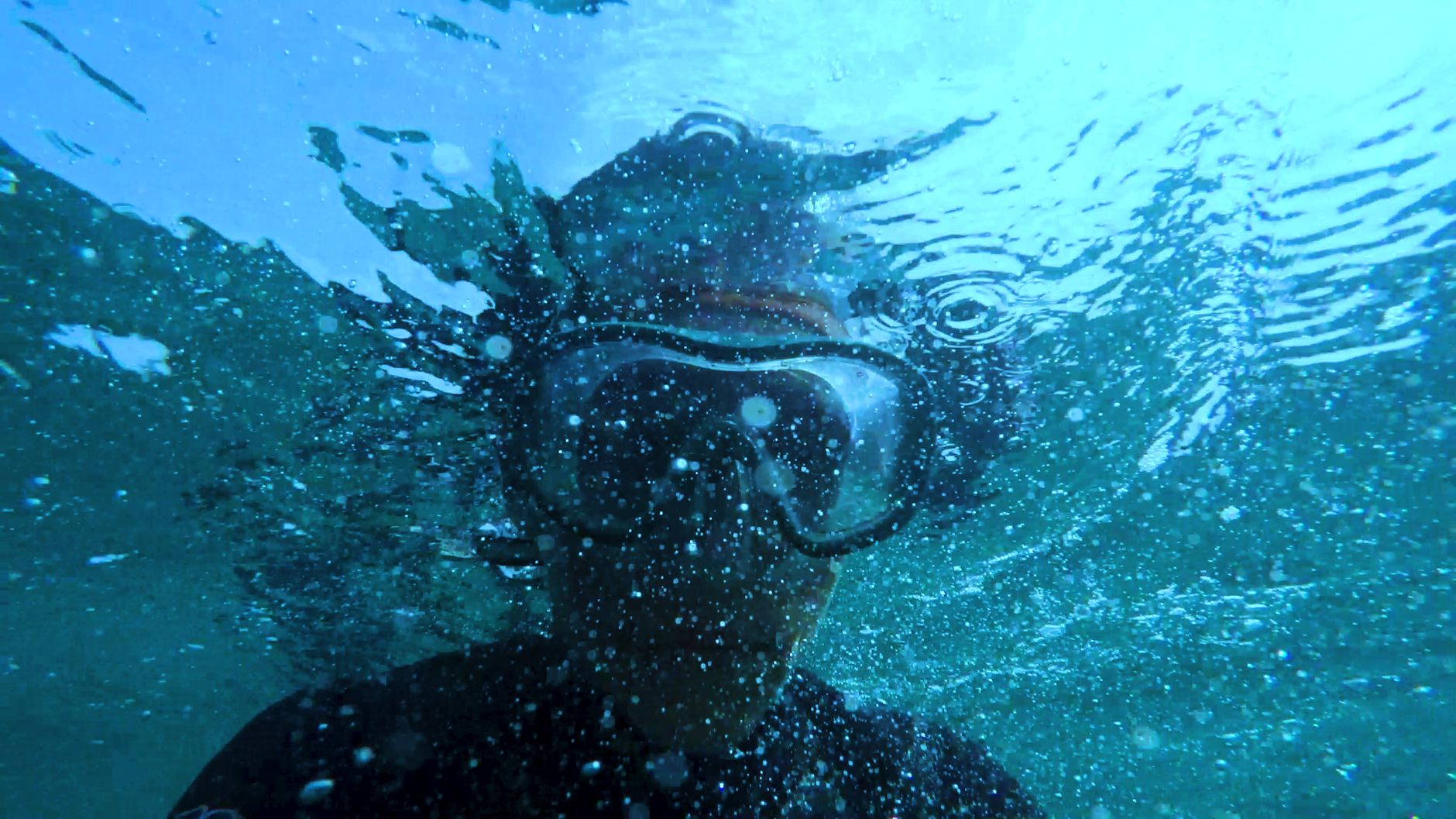
Dominican coral reefs support spectacular marine biodiversity. Brain coral colonies create the reef structure and provide shelter. Staghorn coral branches form dense thickets where juvenile fish hide. Sea fans wave gently in current, adding movement and color.
Fish species range from tiny gobies to massive groupers. Parrotfish graze on algae, producing sand as waste. Angelfish navigate the coral maze searching for food. Jacks hunt in coordinated schools creating dramatic feeding frenzies. Trumpetfish hide among coral, ambushing unsuspecting prey.
Large marine animals appear regularly at Dominican dive sites. Rays glide across sandy areas searching for food. Sea turtles cruise through reef systems, pausing to feed. Nurse sharks rest on the seafloor during day hours. Barracuda patrol the reef edge watching for opportunities.
Macro marine life rewards patient photographers and observers. Seahorses hide in seagrass beds. Octopuses change colors while hunting. Lionfish hover near coral displaying their venomous spines. Nudibranchs crawl across rocks with brilliant color patterns.
Wrecks support unique communities unlike natural reefs. Metal surfaces collect sponges, corals, and algae. Fish shelter inside cabin spaces and cargo holds. Moray eels hunt from wreck crevices at night. Spotted eagle rays sometimes rest on wreck decks during day hours.
Visibility varies seasonally but generally remains good. December through April offers the clearest conditions, exceeding 30 meters. Summer months bring occasional storms that reduce visibility. Visibility typically ranges from 15 to 25 meters year-round.
Best Time To Dive in Dominican Republic
Optimal diving conditions occur December through April. This period brings calm seas and excellent visibility. Water temperature remains warm at 27°C. These peak months attract the most divers, filling operators and resorts. Book accommodations and dives several weeks in advance.
May through July offer good diving with moderate crowds. Water temperature increases, visibility remains decent. Hurricane season approaches but rarely impacts operations this early. Prices drop as peak season ends. Divers seeking fewer crowds should visit during this window.
August through November represent the low season. Hurricane activity increases, occasionally closing dive operations temporarily. Water clarity sometimes suffers from seasonal rain. However, fewer divers crowd the sites. Prices fall significantly, making diving more affordable.
Silver Bank dives operate only January through March. Humpback whales migrate to Dominican waters during this window. Liveaboard operators schedule trips exclusively during these months. Book well in advance as trips fill quickly.
Average temperature remains 27°C year-round, requiring minimal protection. A light 3mm wetsuit provides comfort and protection. Pack sun protection and stay hydrated between dives. Respect local weather forecasts and heed operator warnings about conditions.
PRO TIP: Visit during shoulder season (May or November) for fewer crowds and lower prices. Diving conditions remain good, and you'll experience more personalized attention from dive operators.
Practical Information for Dominican Republic Scuba Diving

Getting There
Punta Cana International Airport (PUJ) serves most visitors traveling to the Dominican Republic. Direct flights arrive from North America and Europe regularly. The airport sits on the east coast near Punta Cana resort areas. Ground transportation to your hotel takes 30 minutes to one hour by car.
Puerto Plata International Airport (POP) serves north coast destinations. This smaller facility accommodates charter flights and limited commercial service. Ground transport to Sosúa takes approximately 30 minutes.
Documentation and Visas
Most travelers enter visa-free for short stays. An e-ticket form submission replaces traditional visa requirements. You need a valid passport with at least six months remaining validity. Immigration officials may ask about return tickets and accommodation plans.
Currency and Costs
The Dominican peso (DOP) is the official currency. ATMs distribute pesos throughout resort areas. US dollars are widely accepted but exchange rates favor pesos. Dive operations typically accept cash or credit cards.
Language
Spanish is the primary language throughout the Dominican Republic. English speakers work in all dive operations and tourist areas. Learning basic Spanish phrases enhances your experience. Simple greetings and thank yous are greatly appreciated by locals.
Health and Safety
Consult your doctor before diving, especially if you have medical conditions. Dive operations require health declarations. The Dominican Republic maintains good medical facilities in resort areas. Travel insurance covering evacuation is recommended.
Crime exists in urban areas but is uncommon in tourist zones. Keep valuables secure and avoid displaying expensive jewelry. Stay in well-populated areas after dark. Resort security is generally adequate.
What To Pack
- Personal diving equipment (mask, fins, wetsuit if preferred)
- Reef-safe sunscreen (SPF 30 or higher)
- Water shoes for rocky entry points
- Lightweight rain jacket for sudden showers
- Medications and first aid supplies
- Underwater camera if desired
- Certified diving logbook for experienced divers
- Certification cards for all divers
Frequently Asked Questions
1. What Is the Best Time of Year To Go Scuba Diving in the Dominican Republic?
December through April offers the best diving conditions overall. Water visibility exceeds 30 meters during these months, and seas remain calm. January through March is ideal if you want to see humpback whales at Silver Bank. Expect higher prices and larger crowds during peak season. May through July provides good conditions with fewer divers. Hurricane season runs August through November, but diving remains possible with occasional closures.
2. Do I Need To Be Certified To Scuba Dive in the Dominican Republic?
Yes, all scuba diving requires certification from recognized organizations like PADI or NAUI. If you are not certified, dive schools offer open water certification courses lasting 3 to 4 days. Beginners can start training immediately upon arrival. Some operators offer "discover scuba" experiences for absolute beginners in very shallow water. Snorkeling requires no certification and offers similar marine life viewing at shallower depths.
3. How Much Does Scuba Diving Cost in the Dominican Republic?
Prices vary based on location and dive type. Exact costs change frequently and depend on current market conditions. Contact dive operators directly for current pricing. Most operators offer discounts for booking multiple dives in advance. All-inclusive resorts sometimes include complimentary dives. Budget travelers should compare prices among several operators before committing.
4. What Marine Life Will I See While Diving in the Dominican Republic?
Divers encounter colorful tropical fish including angelfish, parrotfish, and groupers. Larger animals like sea turtles, rays, and occasional reef sharks are common. Wrecks host different communities including eels and sponges. Macro photography opportunities include seahorses, octopuses, and nudibranchs. Visibility typically exceeds 20 meters, allowing good viewing distances. What you see depends on dive site, time of day, and season.
5. Is Scuba Diving Safe in the Dominican Republic?
Scuba diving is safe when conducted with certified instructors and reputable operators. The Dominican Republic's dive operations follow international safety standards. Equipment maintenance is thorough at established shops. Check operator certifications and read recent reviews. Follow all instructor guidance and dive within your experience level. Most injuries result from diver error, not equipment or environmental issues. Thousands of divers visit safely each year.