Last updated:
Dominican Republic Food &Amp; Dining Overview
Dominican Republic food dining represents a unique blend of Taíno, African, and Spanish influences. The island creates incredible flavors through fresh ingredients and time-honored cooking methods. You will discover dishes that tell stories of the island's rich history. Every meal reflects the warmth and generosity of Dominican culture.
The Dominican food scene stretches from casual street vendors to elegant fine dining establishments. Travelers find authentic experiences at beachside cafés and upscale restaurants. The island's geography provides abundant seafood, tropical fruits, and vegetables. Local chefs transform simple ingredients into memorable meals that satisfy every appetite.
This guide covers everything you need to know about eating in the Dominican Republic. You will learn which dishes to try first, where to eat them, and how to navigate dietary needs. Whether you seek budget meals or luxury dining, this island delivers exceptional food experiences for all travelers and foodies.
Local Food in Dominican Republic You Must Try

La Bandera Dominicana is the national dish of the Dominican Republic. The plate combines white rice, red beans, and stewed meat in one complete meal. Most Dominicans eat this dish for lunch, the main meal of the day. The name translates to "The Dominican Flag" because the colors represent the flag itself.
The meat in La Bandera varies by region and personal preference. Chicken, beef, and pork are the most common choices. Cooks prepare the meat with garlic, onions, and tomatoes for deep flavor. The red beans cook slowly until they become tender and creamy. White rice provides a neutral base that balances the rich, savory elements.
Sancocho represents comfort food at its finest in Dominican culture. This hearty stew contains root vegetables, plantains, and meat. Families prepare sancocho for special occasions and family gatherings. The dish simmers for hours, allowing flavors to develop completely. Dominicans believe sancocho brings people together and strengthens family bonds.
Mangú is a breakfast staple made from mashed plantains. Cooks boil green plantains until soft, then mash them with butter and cheese. The result creates a creamy, comforting side dish. Mangú pairs perfectly with salami, queso de freír (fried cheese), and fried eggs. Travelers will find mangú at nearly every breakfast table across the island.
Tostones are twice-fried green plantain slices that locals and visitors adore. Cooks fry unripe plantains until golden, then flatten them and fry again. The exterior becomes crispy while the inside stays tender. Dominicans serve tostones with ketchup, mayo, or garlic sauce. This dish appears as a side at lunch and dinner throughout the island.
Huevos a la Dominicana showcases fried eggs prepared Dominican style. Cooks fry eggs until the whites set and the yolks stay runny. They surround the eggs with fried salami, fried cheese, and sometimes avocado. This protein-rich breakfast energizes travelers for days of exploration and activities.
Ceviche is a fresh seafood appetizer made with raw fish cured in citrus juice. The acidic juice from lime and lemon "cooks" the fish without heat. Dominicans add onions, cilantro, tomatoes, and peppers for brightness. Ceviche provides a light, refreshing option during warm Dominican afternoons.
Arroz con Leche is a creamy rice pudding that serves as a beloved dessert. Cooks prepare rice with milk, cinnamon, and sugar until it reaches perfect consistency. The dish appears at celebrations and family dinners throughout the year. Dominicans often eat arroz con leche warm or cold depending on the season.
Casabe is a cassava flatbread with deep roots in Taíno culture. The Taíno people originally created this bread centuries ago. Producers grate cassava root, press out moisture, and cook it on griddles. The resulting bread is crispy, slightly nutty, and shelf-stable. Travelers find casabe at markets and traditional restaurants.
PRO TIP: Visit local markets early in the morning to see fresh ingredients and meet Dominican cooks. Markets like Mercado Viejo in Santo Domingo offer glimpses into daily food culture. Prices are lower, and vendors share cooking tips with curious travelers.
Best Restaurants in Dominican Republic
Santo Domingo, the capital city, hosts the island's most acclaimed restaurants. The Colonial Zone features historic buildings converted into elegant dining establishments. Many restaurants in this area combine Dominican cuisine with international techniques. Chefs here work with both traditional and modern cooking methods.
Boca Marina in Santo Domingo serves fresh seafood in a casual beachfront setting. The restaurant sources fish daily from local catches. Grilled whole fish, shrimp, and lobster are house specialties. Diners enjoy ocean views while eating authentic Dominican seafood dishes. The atmosphere remains relaxed and welcoming to all visitors.
Adrian Tropical represents a Dominican chain that serves traditional comfort food. Multiple locations throughout the island make this restaurant accessible to travelers. The menu features La Bandera, sancocho, and other national dishes. Prices remain budget friendly, and portions are generous. Most locations operate for lunch and dinner service daily.
Comedor de los Condes in Santo Domingo offers elevated Dominican cuisine in a sophisticated setting. The restaurant occupies a historic colonial building with charming architecture. The chef sources ingredients from local farmers and fishermen. The menu changes seasonally based on ingredient availability. Reservations are highly recommended, especially during peak tourist season.
La Brújula in Puerto Plata specializes in fresh seafood with Caribbean flavors. The oceanfront location provides stunning sunset views during dinner service. Grilled fish, lobster pasta, and shrimp dishes showcase local ingredients. The wine list includes Caribbean and international selections. Service staff provide knowledgeable recommendations about the menu.
Punta Cana hosts resort restaurants as well as independent dining establishments. Many resorts offer all-inclusive dining packages with multiple restaurant options. Independent restaurants near Punta Cana provide authentic alternatives to resort food. These restaurants often feature live music in the evenings.
Jellyfish Restaurant in Punta Cana combines fresh ingredients with creative presentations. The menu rotates to highlight seasonal offerings. The chef trained internationally but celebrates Dominican flavors. The intimate setting makes this restaurant ideal for couples and special occasions. Advance reservations ensure seating at this popular destination.
El Conuco has multiple locations and showcases traditional Dominican hospitality and food. Each location features rustic décor that reflects rural Dominican life. Visitors can observe demonstrations of traditional cooking and cassava bread making. The menu focuses on authentic dishes served in generous portions. The restaurant offers cultural experiences alongside excellent dining.
PRO TIP: Call ahead to confirm restaurant hours, as some establishments adjust seasonal schedules. Many restaurants close on Mondays or during off-season months. Having your hotel concierge make reservations ensures better tables and smoother service experiences.
Fine Dining in Dominican Republic

The Dominican Republic offers fine dining experiences that rival destinations worldwide. Santo Domingo's Colonial Zone concentrates many upscale restaurants in historic settings. These establishments combine elegant ambiance with exceptional service and cuisine. Chefs in fine dining restaurants train internationally and create innovative menus.
Sophia's Bar and Restaurant in Santo Domingo serves Mediterranean and Caribbean fusion cuisine. The chef sources seafood daily from local suppliers. The wine list includes selections from Spain, Italy, and France. The dining room features exposed stone walls from the colonial period. Soft lighting and live music create romantic atmospheres for dinners.
Pat'e Palo European Brasserie occupies a restored colonial mansion in Santo Domingo's Colonial Zone. The restaurant features Spanish and European cuisine prepared with Dominican ingredients. The chef creates seasonal tasting menus that showcase available produce. The wine selection emphasizes Spanish wines from renowned regions. The historic setting combines with modern service for elevated dining.
Chez Francoise in Puerto Plata offers French cuisine in an intimate oceanfront setting. The restaurant maintains a refined atmosphere with attentive service. The menu features fresh seafood prepared using classical French techniques. The chef changes the menu regularly based on ingredient availability. Sunset dining here provides unforgettable views of the Atlantic Ocean.
Fine dining restaurants in Punta Cana attract both resort guests and independent travelers. These restaurants often feature celebrity chefs and specialized menus. Many fine dining establishments require advance reservations and dress code compliance. The resorts near Punta Cana house some of the island's most exclusive restaurants.
Juanillo's in Punta Cana serves seafood in a sophisticated beachfront environment. The restaurant focuses on sustainable fishing practices. The chef presents each dish as an artistic creation. Service staff provide detailed explanations of ingredients and preparation methods. The wine list features premium selections from around the world.
Dress codes in fine dining establishments typically require business casual attire. Men should wear pants and closed-toe shoes. Women benefit from dresses, skirts, or nice pants. Reservations are essential at high-end restaurants, especially during peak season. Many fine dining restaurants offer special tasting menus for groups with advance notice.
Budget Eating in Dominican Republic
Dominican Republic food dining does not require large budgets for quality meals. Local comidas criollas (Creole food restaurants) serve authentic dishes at low prices. These casual establishments focus on traditional Dominican cuisine without fancy presentations. Most comidas operate for breakfast and lunch, serving working Dominicans alongside travelers.
Cafeterias are small family-run restaurants found throughout the island. These establishments serve breakfast and lunch at very affordable prices. Typical meals include La Bandera, eggs, rice, beans, and fresh fruit. Cafeterias rarely have printed menus, so asking what is available works best. These restaurants provide genuine cultural experiences and authentic food.
Sodas are juice bars that also serve simple meals and snacks. Dominicans blend fresh fruits with water or milk for natural juices. Batidos (smoothies) made from local fruits are refreshing and inexpensive. Sodas often sell empanadas, pastelitos, and other fried snacks. These establishments operate throughout the day in neighborhoods across the island.
Supermarkets like Carrefour and Super Pola offer budget shopping for travelers staying longer. These stores stock tropical fruits, cheese, bread, and prepared foods. Travelers can assemble picnic lunches or meals at accommodations. Supermarket prices are significantly lower than restaurant meals.
Colmados are neighborhood convenience stores found on nearly every block. These small shops sell basic groceries, beverages, and snacks. Many colmados prepare simple meals like sandwiches and arepas. Locals frequent colmados for daily needs and quick meals. These stores provide authentic windows into Dominican neighborhood life.
Pizza stands and casual eateries serve quick meals for travelers on the go. Dominicans have adopted pizza as a beloved snack food. Many pizza places sell by the slice, making portions affordable. Fast food chains also operate throughout major cities and tourist areas.
Street Food and Local Markets
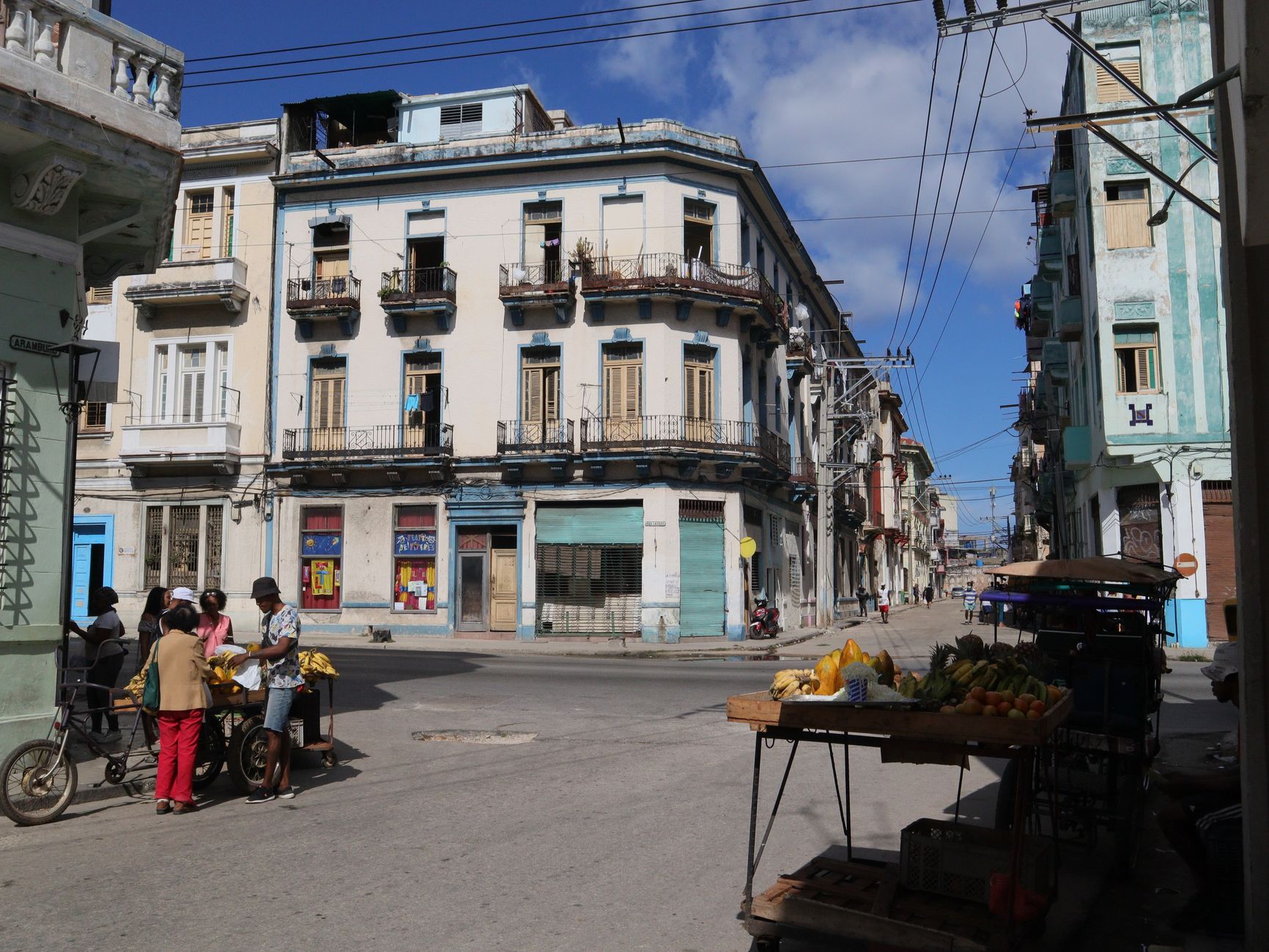
Street food vendors create some of the Dominican Republic's most memorable meals. Vendors operate from small carts, stands, and storefront windows throughout cities and towns. Fresh preparation and authentic recipes make street food irresistible to locals and visitors. These meals cost just a few Dominican pesos and deliver exceptional value.
Empanadas are fried pastries filled with meat, cheese, or seafood. Street vendors sell empanadas hot from the fryer throughout the day. The crispy exterior gives way to savory fillings inside. Vendors serve empanadas with pickled onions and hot sauce. These portable meals work perfectly for travelers exploring neighborhoods.
Pastelitos are smaller versions of empanadas with similar preparations. Vendors fry these pastries until golden and serve them fresh. Meat, cheese, and vegetable fillings are common options. Pastelitos serve as snacks or light meals depending on quantity consumed.
Arepas are cornmeal cakes that vendors fry and stuff with fillings. Cheese and meat are traditional fillings for Dominican arepas. Vendors serve arepas hot with pickled vegetables or hot sauce. These handheld meals satisfy hunger during busy sightseeing days.
Yuca fries replace potatoes in Dominican street food culture. Vendors fry cassava root until crispy outside and tender inside. The starchy vegetable provides hearty nutrition in portable form. Yuca fries accompany many street food meals and snacks.
Mangó on a stick appeals to travelers seeking refreshing snacks. Vendors cut unripe mangoes into spears and serve them with lime juice and hot sauce. The combination of sweet, spicy, and citrus flavors is addictive. This snack hydrates and energizes travelers during hot afternoons.
Jugos de frutas (fresh fruit juices) quench thirst throughout the day. Street vendors operate juice stands in busy neighborhoods and near beaches. Common juices include passion fruit, orange, papaya, and sugarcane. These fresh juices cost minimal amounts and provide excellent nutrition.
Mercado Modelo in Santo Domingo is the largest public market on the island. Vendors sell fresh produce, seafood, meat, and prepared foods. The market atmosphere immerses travelers in Dominican food culture. Visitors can purchase ingredients or eat prepared meals in the market's food section. The market operates daily and remains busiest in early mornings.
Mercado Viejo in Santo Domingo's Colonial Zone attracts tourists and locals seeking local ingredients. The market occupies a restored colonial building with character. Vendors display colorful fruits, vegetables, and herbs. The market's location makes it convenient for Colonial Zone visitors. Early morning visits capture the market at its most energetic.
Beach towns host weekend markets with local vendors and craftspeople. These markets provide opportunities to purchase fresh ingredients and street food. Many beach markets operate Saturday and Sunday mornings. The festive atmosphere makes these markets enjoyable beyond just food shopping.
PRO TIP: Use cash when buying from street vendors and markets, as many do not accept cards. Small bills in Dominican pesos make transactions smoother. Bring a small bag or backpack to carry purchases. Visit markets early morning when food selection is freshest and crowds are smaller.
Food Allergies and Dietary Needs
Communicating dietary needs in Dominican Republic requires basic Spanish phrases. Learning food names and restrictions helps significantly in restaurant and market settings. Many restaurant staff understand simple English, especially in tourist areas. Writing down allergies in Spanish provides backup communication when speaking fails.
Vegetarian and vegan options exist in Dominican restaurants but require searching. Most restaurants center menus around meat and seafood dishes. Tostones, mangú, rice and beans, and fresh fruits provide meat-free options. Fine dining restaurants accommodate vegetarian requests with advance notice. Street food vendors easily modify empanadas and arepas with vegetable fillings.
Nut allergies require careful attention in Dominican kitchens. Many dishes may contain nuts or traces of nuts. Always inform restaurant staff and markets about severe nut allergies. Fine dining restaurants take allergy concerns most seriously and adjust preparations accordingly.
Shellfish and seafood allergies are important to communicate clearly. Dominican cuisine emphasizes seafood, so alternative proteins become necessary. Beef, chicken, and pork appear frequently in traditional dishes. Restaurants accommodate shellfish allergies by preparing non-seafood dishes or using separate preparation areas.
Gluten-free dining presents challenges in traditional Dominican kitchens. Cassava bread (casabe) is naturally gluten-free and available throughout the island. Rice, beans, plantains, and fresh fruits are also gluten-free options. Fine dining establishments better understand gluten-free requirements. Communicating needs clearly prevents cross-contamination in casual restaurants.
Dairy allergies require attention since many dishes include cheese or butter. Queso de freír (fried cheese) and other dairy products feature prominently in Dominican cooking. Specify dairy allergies when ordering dishes like mangú or arroz con leche. Meat-based dishes often omit dairy if requested specifically.
Supermarkets and health food stores in major cities carry specialty dietary products. Tourist areas offer more dietary accommodations than rural regions. Always carry backup snacks if you have strict dietary requirements. Communicating needs at your accommodation helps staff prepare safe meals or recommend appropriate restaurants.
Frequently Asked Questions

What Is the Most Popular Dish in Dominican Republic?
La Bandera Dominicana is the national dish and most iconic meal in Dominican culture. The plate combines white rice, red beans, and stewed meat in one complete serving. Dominicans eat this dish for their main meal, usually at lunch. Nearly every comida criollas restaurant serves La Bandera, making it the easiest traditional dish to find throughout the island. The humble combination of ingredients creates deeply satisfying flavors that represent Dominican identity and hospitality to visitors.
Is Tap Water Safe To Drink in Dominican Republic?
Tap water quality varies significantly throughout Dominican Republic. In major cities like Santo Domingo and Punta Cana, treated tap water is generally safe. However, many travelers choose bottled water for peace of mind. Always drink bottled water in rural areas and small towns. Ice in drinks may be made from untreated water, so requesting drinks without ice is safer. Restaurants and hotels serving tourists typically use filtered or bottled water for ice and cooking preparations.
How Much Should I Tip at Restaurants in Dominican Republic?
Tipping customs in Dominican Republic differ from North American standards. Many restaurants automatically add 10 percent service charges to bills, which satisfies typical tipping expectations. If no service charge appears on the bill, leaving 10 to 15 percent is appropriate at restaurants. Casual eateries and street vendors do not require tips but appreciate small amounts. Hotel staff, drivers, and tour guides benefit from tip amounts ranging from 50 to 100 Dominican pesos depending on service quality.
What Are Some Must-Try Dominican Desserts?
Arroz con leche is a creamy rice pudding loved throughout Dominican Republic and the Caribbean. Flan is a caramel custard served in many restaurants and homes. Dulce de leche (sweetened condensed milk caramel) appears in various desserts. Cassava cake (cassava with coconut) represents a traditional sweet treat. Coquito is a Christmas beverage similar to eggnog made with coconut, rum, and spices. Cocadas are coconut candies sold at markets and street stalls. These desserts showcase Dominican's love of coconut, caramel, and tropical flavors.
Are There English Menus at Restaurants in Dominican Republic?
English menus are common in restaurants serving tourists and fine dining establishments. Punta Cana, Santo Domingo, and Puerto Plata have many restaurants with bilingual menus. Small family restaurants and comidas often lack English menus or translations. Learning basic food words in Spanish helps navigate casual dining situations. Restaurant staff in tourist areas often understand English well enough to explain menu items. Pointing to items on other tables or using translation apps helps when menus are only in Spanish.