allisles.com
Dominican Republic
allisles.com
Dominican Republic

Dominican Republic: Complete Caribbean Travel Guide
Visa Free
Last updated:
Quick Facts
- Visa Required: No (visa-free for most nationalities)
- Currency: Dominican peso (DOP)
- Language: Spanish
- Best Months: December, January, February, March, April
- Average Temperature: 27°C (81°F)
- Nearest Airport: Punta Cana International Airport (PUJ)
- Timezone: America/Santo_Domingo
- Area: 48,671 km²
- Population: 11,332,000
About Dominican Republic
The Dominican Republic overview reveals a Caribbean nation of remarkable diversity. This island sits in the Greater Antilles with coordinates at 18.7357, -70.1627. More than 11 million people call this place home. Spanish is the official language throughout the country.
The Dominican Republic occupies 48,671 square kilometers of tropical landscape. Mountains, beaches, and valleys define the terrain. The island receives visitors year-round, though certain months bring more tourists. The Dominican peso is the currency you will use here.
This Caribbean nation offers something for every type of traveler. History buffs explore colonial cities and ancient indigenous sites. Nature lovers hike through national parks and pristine forests. Beach seekers relax on white sand shores. The country combines Spanish colonial heritage with Caribbean culture perfectly.
Tourism infrastructure here is well developed. Direct flights arrive at Punta Cana International Airport daily. Many nationalities enter visa-free for short stays. An electronic form replaces the old paper process. Getting to the Dominican Republic is simple and straightforward for most travelers.
Why Visit Dominican Republic
Best forfamiliescouplessolo travelersbudget travelersluxury travelers
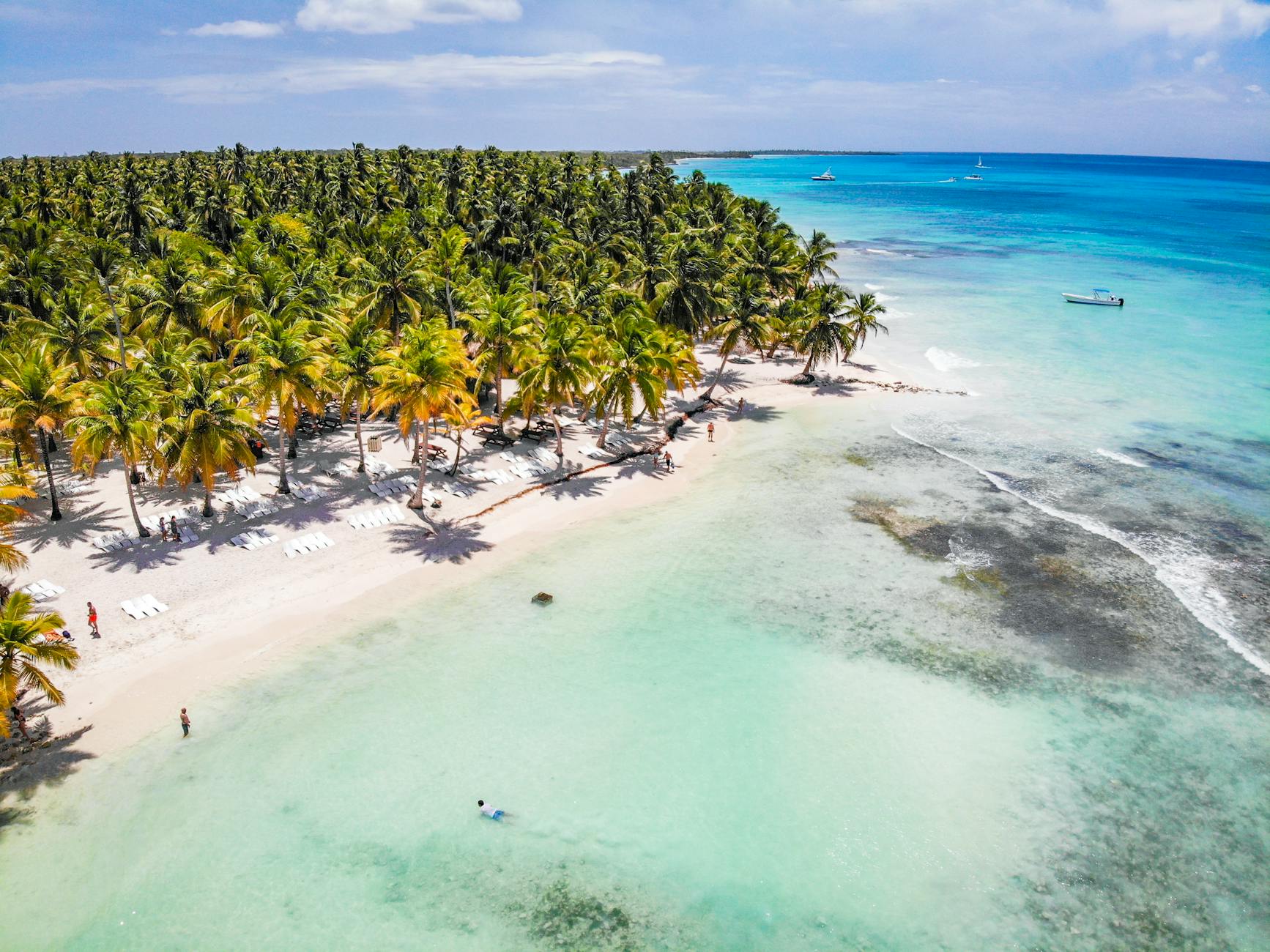
The Dominican Republic overview highlights stunning beaches as the primary draw. Punta Cana offers resort experiences and water sports. Puerto Plata provides a smaller beach town vibe with colonial charm. Sosúa combines beach relaxation with active nightlife and food-dining">dining.
Water activities dominate the visitor experience here. Scuba diving reveals coral reefs and colorful fish. Snorkeling works in shallow waters near most resorts. Kiteboarding and windsurfing attract adventure seekers. Fishing charters depart from several ports along the coast.
Beyond beaches, culture fascinates many visitors. Santo Domingo contains the oldest city in the Americas. The Zona Colonial district features narrow streets and Spanish architecture. Museums showcase Taíno indigenous artifacts and colonial history. Local merengue music plays in clubs and restaurants throughout the island.
Food enthusiasts discover Caribbean cuisine with Spanish influences. Fresh seafood appears on nearly every menu. Rice and beans form the base of many traditional meals. Tropical fruits grow locally and taste exceptional here. Street food vendors sell empanadas and other snacks everywhere.
PRO TIP: Visit the Dominican Republic during the shoulder seasons of March, April, or November. You will find lower prices than peak months. Weather remains excellent, and crowds diminish significantly. Hurricane season officially runs June through November, though storms rarely hit directly.
Dominican Republic for Families
Best forfamilies with children of all ages
Families discover kid-friendly activities throughout the Dominican Republic overview experience. Resort pools and beach access keep children entertained easily. Many all-inclusive properties offer kids clubs with organized activities. Water parks like Splash Island near Puerto Plata provide full-day entertainment.
Natural attractions appeal to families seeking adventure together. Cenote caves contain freshwater pools perfect for swimming. Zip-lining tours operate through forest canopies with family options. Horseback riding excursions take riders through countryside and beaches. The Jaragua National Park protects diverse wildlife and hiking trails.
Educational experiences enrich family trips to this Caribbean destination. The Museum of the Dominican Man in Santo Domingo teaches local history. Animal sanctuaries let families observe rescued parrots and other species. Coral reef snorkeling introduces children to marine ecosystems firsthand.
Budget-conscious families appreciate the value here. All-inclusive resorts reduce daily expenses significantly. Local food costs far less than imported goods. Many free attractions like beaches and town plazas require no entrance fees. Family restaurants serve generous portions at reasonable prices throughout the island.
Dominican Republic for Couples
Best forromantic getawayshoneymoonsanniversary trips
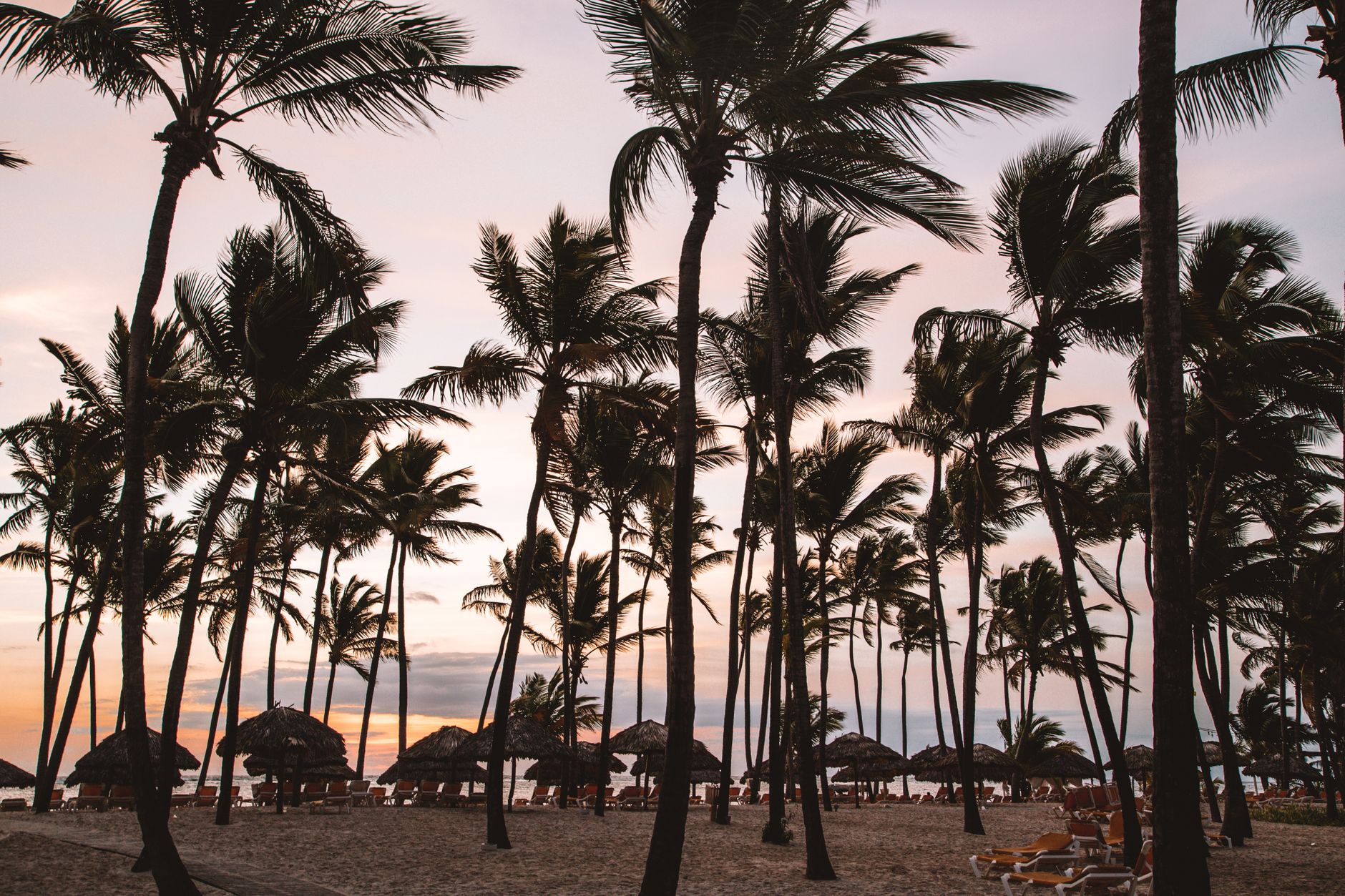
Couples enjoy romantic experiences throughout the Dominican Republic overview destinations. Private beach dinners arrange easily at most resorts. Sunset sailing trips depart from major ports daily. Couples massage services operate in spas across the island. Beachfront walks at dawn create memorable moments together.
Luxury resorts cater specifically to romance-seeking couples. Adults-only properties eliminate children and crowds. Private villas offer seclusion and personal service. Overwater bungalows exist in select locations like Samana. Honeymoon packages include champagne, flowers, and special amenities.
Adventure activities work well for active couples. Scuba diving together explores underwater worlds. Hiking to waterfalls combines exercise with natural beauty. Horseback riding along beaches feels romantic and adventurous. Kayaking through mangrove channels provides peaceful exploration together.
Cultural experiences deepen connections between partners. Cooking classes teach Dominican cuisine preparation. Dance lessons introduce merengue and bachata styles. Wine tastings feature local rum productions. Couples explore colonial streets hand in hand. Evening entertainment includes live music and theater performances.
PRO TIP: Book couples activities during your first few days. You will confirm availability and meet other travelers socially. Many resorts offer free or discounted first activities for guests. Sunset experiences book quickly, so reserve in advance. Ask hotel concierge for hidden local restaurants tourists rarely discover.
Dominican Republic for Solo Travelers
Best forindependent travelersbackpackersbudget explorers
Solo travelers discover the Dominican Republic overview offers safe, accessible experiences. Hostels cluster in tourist areas like Puerto Plata and Santo Domingo. Group tours unite solo travelers with others sharing interests. Beach towns create natural social environments for meeting people. Evening activities occur everywhere after sunset.
Budget options abound for independent travelers. Guesthouses cost significantly less than resort properties. Public transportation via guagua minibuses moves cheaply between towns. Street food and local markets provide inexpensive meals. Hiking and beach days cost nothing but time.
Safety considerations matter for solo travelers here. Stick to established tourist areas during daylight and evening hours. Use registered taxis rather than hailing random vehicles. Travel with other people when exploring unfamiliar neighborhoods. Most tourist areas feel welcoming and secure with normal precautions.
Networking happens naturally in the Dominican Republic. Travelers congregate at beach bars and hostel common areas. Walking tours connect solo visitors with local guides and other tourists. Volunteer opportunities exist at animal sanctuaries and environmental projects. Online travel communities have local meetups in major towns.
Best Time To Visit Dominican Republic

The Dominican Republic overview identifies December through April as peak months. December begins the dry season with perfect weather. Temperatures stay around 27°C year-round but feel more pleasant when humidity drops. January and February offer the coolest, most comfortable conditions. March and April extend the pleasant season with slightly warmer temperatures.
Hurricane season runs June through November technically. Direct hits rarely affect the island despite the seasonal risk. Afternoon showers occur frequently but pass quickly. Prices drop significantly during these months. Budget travelers often visit then despite the rain risk.
May and November represent shoulder seasons with excellent value. Crowds diminish dramatically after April. Weather remains quite nice with occasional afternoon showers. Prices fall substantially from peak season rates. Hurricanes rarely impact this Caribbean location directly.
Avoid September and October if possible. These months see the highest rainfall and storm risk. Tourism infrastructure closes in some areas temporarily. Hotel availability becomes limited as properties shut for maintenance. Many restaurants and attractions reduce operating hours.
PRO TIP: Book accommodations three months before your preferred travel dates. Peak season fills quickly, especially holidays. March and April offer ideal weather with slightly better prices than December. Airlines release sales two to three months in advance. Setting price alerts on booking sites helps catch deals automatically.
Getting To Dominican Republic
Arrival by Air
Punta Cana International Airport (PUJ) receives most international visitors. Major airlines operate daily flights from North America, Europe, and South America. The airport handles millions of passengers annually with modern facilities. Ground transportation options depart from the terminal immediately.
Other airports serve specific regions of the island. La Romana International Airport (LRM) handles flights to the southeast. Puerto Plata International Airport (POP) serves the northern coast. Santiago International Airport (STI) provides access to the interior. Choosing the right airport reduces ground travel time significantly.
Ground Transportation
Resort pickup services arrange transportation before arrival. Hotels coordinate shuttles meeting your specific flight times. Many resorts include airport transfer with packages. Pre-booking transfers ensures guaranteed pickup without surprises.
Public transportation options cost far less than private services. Guagua minibuses connect major towns for just a few dollars. Regular buses offer longer routes between cities. Taxis operate from airport terminals with fixed rates posted clearly. Rental cars enable complete independence and exploration.
Visa and Entry Requirements
Most nationalities enter the Dominican Republic visa-free for tourism. Short stays up to 30 days require no advance paperwork. An electronic form replaces the paper tourist card system. The e-form completes online before departure. Some nationalities may require different documentation or visas.
Passport validity must extend six months beyond your departure date. Children need passports regardless of age. Travel insurance provides medical and evacuation protection. Travelers insurance covers trip cancellations and delays. Purchasing insurance before departure ensures complete coverage.
Frequently Asked Questions

What Is the Best Time To Visit the Dominican Republic?
December through April offers the ideal climate with low humidity and minimal rain. January and February provide the coolest, most comfortable temperatures. March and April extend the season with slightly higher prices but still excellent weather. These months avoid hurricane season while providing perfect beach conditions. Budget travelers find better deals in May and November shoulder seasons.
Do I Need a Visa To Visit the Dominican Republic?
Most nationalities enter visa-free for tourism stays up to 30 days. An electronic form replaces the old paper tourist card system. Complete the e-form online before your flight departure. Your passport must remain valid for six months beyond your travel dates. Some nationalities may have different requirements or restrictions, so check before booking.
What Currency Does the Dominican Republic Use?
The Dominican peso (DOP) is the official currency throughout the island. Most ATMs dispense pesos directly from your home bank account. Credit cards work in major resorts, restaurants, and shops widely. Exchange rates fluctuate daily, so withdraw money as needed. Smaller towns and local vendors prefer cash payments over cards.
What Activities Are Available in the Dominican Republic?
The Dominican Republic overview includes scuba diving, snorkeling, and water sports on beaches. Hiking, zip-lining, and cenote swimming appeal to adventure seekers. Cultural tours explore colonial cities and historical sites throughout the island. Cooking classes, dance lessons, and rum tastings provide authentic experiences. Fishing charters, horseback riding, and kayaking offer additional recreational options.
How Safe Is the Dominican Republic for Tourists?
Tourist areas throughout the island maintain good safety records with police presence. Stick to established resorts, beaches, and guided tours for best security. Avoid displaying expensive jewelry, cameras, or large amounts of cash openly. Use registered taxis rather than hailing random vehicles on streets. Most visitors experience no safety issues when following basic travel precautions.
Related Pages on Dominican Republic
Islands Near Dominican Republic


